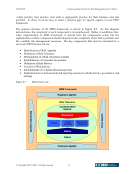
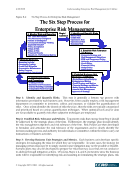
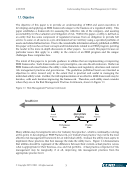
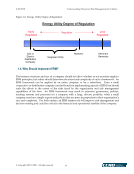
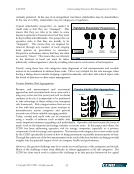
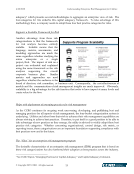
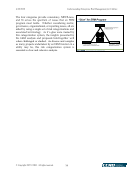
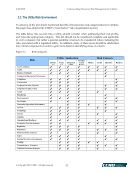
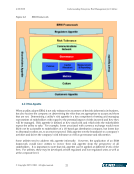
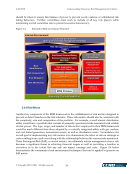
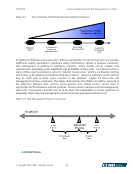
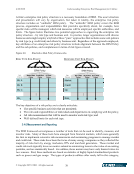
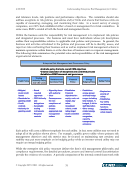
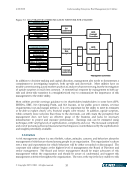
4/20/2020 Understanding Enterprise Risk Management for Utilities © Copyright 2007, CCRO. All rights reserved. 22 Figure 2.2: ERM Framework 2.4.1. Risk Appetite When a utility adopts ERM, it not only enhances its awareness of the risks inherent in its business, but also focuses the company on determining the risks that are appropriate to accept and those that are not. Determining a utility’s risk appetite is a key component of setting and managing expectations of stakeholders with regard to the potential impact of risks incurred and how they will be managed. Risk appetite is defined as how much risk and which risks the stakeholders expect the utility to take. For example, losses associated with currency exchange would most likely not be acceptable to stakeholders of a US-based gas distribution company, but losses due to abnormal weather are, to an extent expected. Risk appetite sets the boundaries to a company’s activities and drives the company’s risk tolerance as well as governance and risk metrics. Some utilities tend to address risk appetite informally. However, the application of an ERM framework would force entities to review their risk appetite from the perspective of all stakeholders. It is important to note that risk appetite can be applied at different levels of the firm. For utilities, these may be developed at both regulated and non-regulated units as well as at the corporate level.
Purchased by unknown, nofirst nolast
From: CCRO Library (library.ccro.org)