13
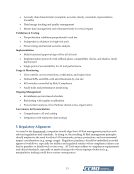
• AI-ready data characteristics (complete, accurate, timely, consistent, representative,
traceable)
• Data lineage tracking and quality management
• Master data management and redundant feeds for critical inputs
Validation &Testing
• Pre-production validation proportional to risk tier
• Independent validation for high-risk tools
• Stress testing and tail-risk scenario analysis
Implementation
• Multi-functional approval sign-off for all AI tools
• Implementation protocols with rollback plans, compatibility checks, and shadow mode
deployment
• Single point of accountability for AI tool performance
Usage &Monitoring
• User controls: access restrictions, certification, and supervision
• Defined KPIs and KRIs with alert thresholds by risk tier
• Kill switches controlled by Risk/Compliance
• Audit trails and performance monitoring
Ongoing Management
• Revalidation per tier-based schedule
• Backtesting with regular recalibration
• Post-mortem analysis of tool failures shared across organization
Governance &Documentation
• Comprehensive AI tool catalog
• Integration with enterprise data strategy
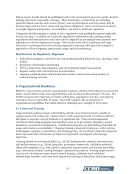
5. Regulatory Alignment
As noted in the Framework, companies should align their AI Risk management practices with
relevant regulations and standards. In doing so, the resulting AI Risk management principles
should emphasize the need for ethical AI frameworks, privacy protections, and environmental
impact considerations (e.g. energy usage). Regulatory prudency should be embedded in model
approval workflows, especially for utilities and regulated entities where compliance failures can
lead to penalties or disallowed cost recovery. AI Tools must adhere to compliance requirements
and ethical standards, especially in market-facing roles where improper behavior (e.g.,
manipulative trading) could have serious consequences.
• AI-ready data characteristics (complete, accurate, timely, consistent, representative,
traceable)
• Data lineage tracking and quality management
• Master data management and redundant feeds for critical inputs
Validation &Testing
• Pre-production validation proportional to risk tier
• Independent validation for high-risk tools
• Stress testing and tail-risk scenario analysis
Implementation
• Multi-functional approval sign-off for all AI tools
• Implementation protocols with rollback plans, compatibility checks, and shadow mode
deployment
• Single point of accountability for AI tool performance
Usage &Monitoring
• User controls: access restrictions, certification, and supervision
• Defined KPIs and KRIs with alert thresholds by risk tier
• Kill switches controlled by Risk/Compliance
• Audit trails and performance monitoring
Ongoing Management
• Revalidation per tier-based schedule
• Backtesting with regular recalibration
• Post-mortem analysis of tool failures shared across organization
Governance &Documentation
• Comprehensive AI tool catalog
• Integration with enterprise data strategy
5. Regulatory Alignment
As noted in the Framework, companies should align their AI Risk management practices with
relevant regulations and standards. In doing so, the resulting AI Risk management principles
should emphasize the need for ethical AI frameworks, privacy protections, and environmental
impact considerations (e.g. energy usage). Regulatory prudency should be embedded in model
approval workflows, especially for utilities and regulated entities where compliance failures can
lead to penalties or disallowed cost recovery. AI Tools must adhere to compliance requirements
and ethical standards, especially in market-facing roles where improper behavior (e.g.,
manipulative trading) could have serious consequences.